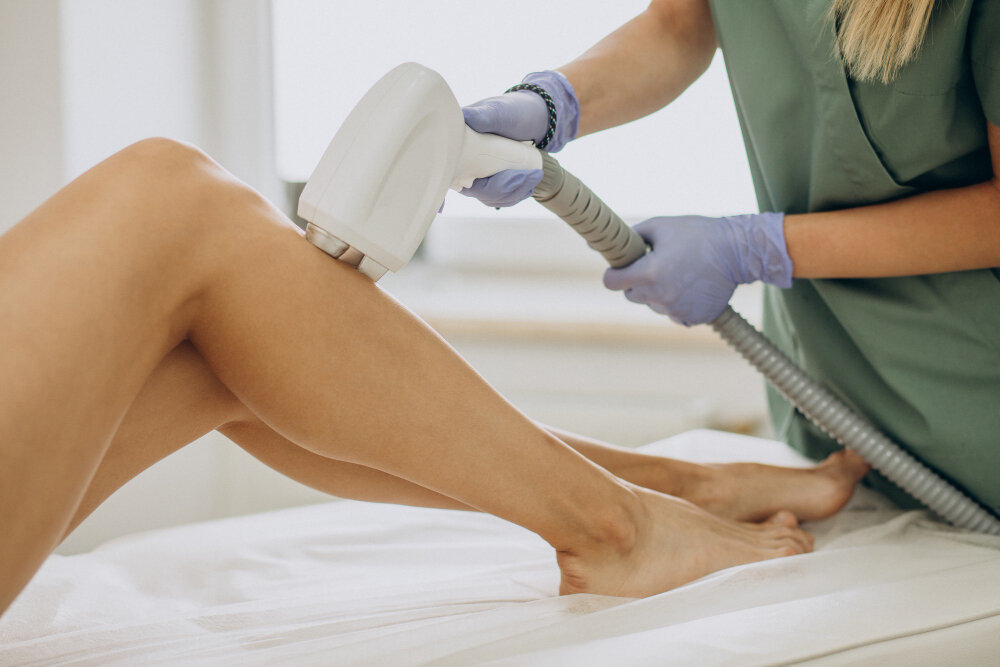
At Advanced Wellness and Rejuvenation, one of the questions we hear most often is why hair reduction progresses quickly for some patients and slowly for others. The answer usually has less to do with the device and more to do with internal chemistry. Laser hair removal near Portland and Corpus Christi targets pigment in follicles during their active growth phase, so the number of follicles actively producing hair at any given moment shapes what a treatment series can accomplish. Hormones govern that number, which is why we look at the endocrine picture alongside the cosmetic one.
The Hormonal Drivers Behind Hair Growth
Androgens, particularly testosterone and dihydrotestosterone, promote the conversion of fine vellus hair to thicker terminal hair. This process is particularly noticeable on the face, chin, neck, chest, belly, and back. Estrogen and progesterone typically operate in opposite directions, decreasing development and lengthening the follicle’s resting phase. Thyroid hormones influence the overall rhythm of the cycle, and chronically elevated cortisol can indirectly increase androgen production.
Because the laser can only influence follicles in the growth phase, a hormonal signal that continues to recruit new follicles will generate fresh targets between sessions. That is a biological reality, not a treatment failure, and it is important to understand before beginning a series.
Several patterns commonly affect how a series progresses:

- Polycystic ovary syndrome, which elevates androgens and often produces coarse facial and body hair
- Perimenopause and menopause, when the androgen-to-estrogen ratio shifts
- Thyroid dysfunction, which alters growth cycle timing
- Testosterone replacement therapy, which may stimulate terminal hair in new areas
- Insulin resistance, which contributes to ovarian androgen production
Patients with these conditions can still see meaningful reduction. The practical difference is usually a longer series and periodic maintenance rather than a fixed endpoint.
Why We Consider Hormone Health Alongside Aesthetics
Our practice treats hormone imbalance and weight management as well as aesthetic concerns, and the overlap between these areas is not incidental. When androgen levels sit within a healthier range, fewer follicles are recruited into active growth between appointments. That changes what each session is working against.
This is also why we ask about symptoms that patients may not associate with hair growth at all, such as irregular cycles, fatigue, unexplained weight changes or difficulty with blood sugar. Sometimes undesired hair is the most obvious symptom of something measurable on a test panel. This identification does not necessarily assure a different cosmetic outcome but it does give the patient and clinician more information to consider.
There is considerable hormonal variation throughout pregnancy and breast-feeding, and treatment is usually deferred until levels settle. Some progestins have androgenic activity, some do not, and hormonal contraceptives have different effects. Any recent start or stop of hormone therapy should be mentioned during consultation as this may alter how a strategy is built.
Session spacing is important too. Treatment intervals are scheduled to coincide with the growth cycle of the particular area, usually every four to six weeks for facial hair and eight to twelve weeks for the body. Long gaps provide follicles time to exit the phase in which they are vulnerable.
What the Technology Can and Cannot Do
The correct assessment of what this treatment delivers is a lasting decrease, and that distinction bears more weight with individuals who have ongoing hormonal activity. This usually comes with a decrease in density and a change in hair texture, but the degree varies greatly from person to person. Patients with active androgen excess may need touch-up sessions indefinitely.
A consultation that includes an evaluation of medical history, current medications and any relevant symptoms can honestly explain a likely trajectory, including the potential that hair reduction alone may not be adequately addressing the underlying pattern.
Hair growth reflects a set of internal signals, and treating the follicle without acknowledging the signal gives an incomplete picture. Patients who come in with questions about persistent or changing hair growth are often surprised at how much of the discussion turns toward thyroid function, insulin sensitivity, and hormone levels. Whether or not that evaluation changes the treatment plan, it tends to make the plan easier to understand. Anyone considering treatment is welcome to book a consultation so we can review the specifics of their situation together.